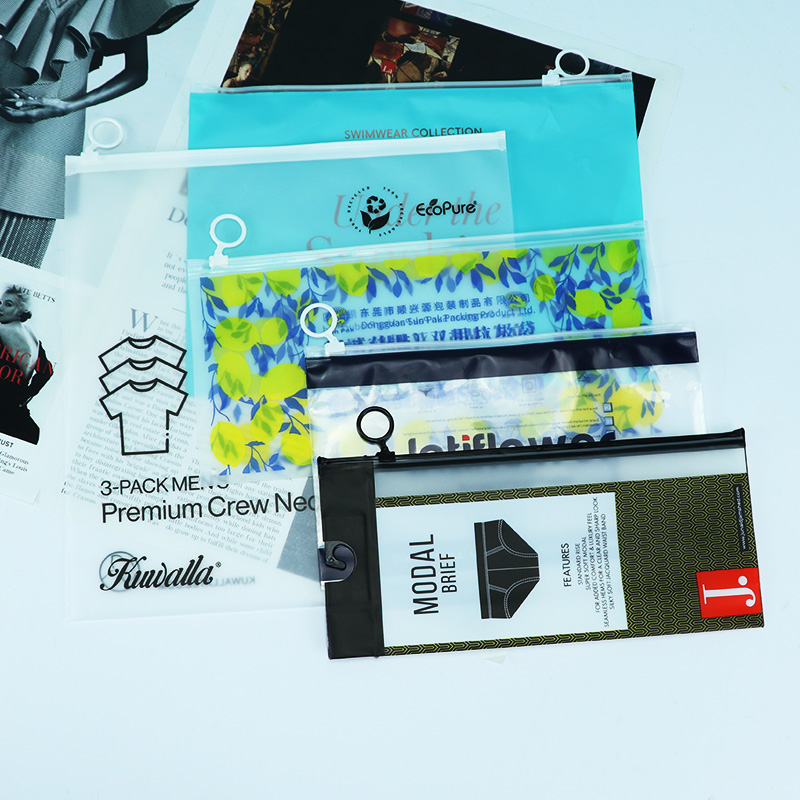
Fashion brands must balance sustainability, product protection, customer experience, and brand image when selecting packaging materials. Two of the most common options are poly bags and paper bags. Both are widely used across the apparel industry, but they serve different purposes and offer different advantages.
Why Packaging Choice Matters in the Apparel Industry
Clothing products travel through long supply chains — from factory to warehouse, from warehouse to customers. Packaging must protect garments from: Moisture, Dust, Wrinkles, and Shipping damage.
At the same time, packaging is often the first physical touchpoint customers have with a brand. The right packaging can improve brand perception and customer satisfaction.
What Are Poly Bags for Clothing Packaging?
Poly bags are plastic-based packaging bags commonly made from PE, PP, or recycled plastic materials. They are one of the most widely used packaging solutions in the apparel industry.
Typical clothing applications include:
T-shirts and lightweight garments
Bulk garment packaging
E-commerce shipping preparation
Retail storage and logistics
Poly bags are especially popular among large-volume clothing brands due to their durability and cost efficiency.
Advantages of Poly Bags for Apparel Packaging
1. Excellent Moisture Protection
Poly bags are waterproof and provide strong protection against humidity and rain during shipping. This makes them ideal for international logistics and e-commerce fulfillment.
2. Lightweight and Cost-Efficient
Plastic bags are extremely lightweight, which helps reduce shipping costs. For brands shipping thousands of garments daily, this cost difference is significant.
3. High Transparency
Clear poly bags allow products to be easily identified without opening the packaging, improving warehouse efficiency and retail operations.
4. Strong and Tear-Resistant
Poly bags are difficult to tear and can withstand long transportation journeys.
5. Recycled Options Available
Many brands now use PCR recycled poly bags or GRS-certified recycled packaging to reduce environmental impact.
What Are Paper Bags for Clothing Packaging?
Paper bags are made from kraft paper, glassine paper, or other FSC-certified paper materials. They are widely used by fashion brands that want a more natural and premium packaging appearance.
Paper packaging is commonly used for:
Retail clothing packaging
Premium apparel brands
Sustainable fashion brands
Gift packaging
Advantages of Paper Bags for Apparel Packaging
1. Conveying the idea of sustainable development
Paper packaging is often associated with eco-friendly and premium brands. It communicates environmental responsibility to customers.
2. Premium Brand Presentation
Paper packaging provides a more natural, textured, and high-end look, making it popular among fashion and retail brands.
3. Recyclable and Renewable Materials
FSC-certified paper comes from responsibly managed forests and is widely recyclable in most markets.
4. Ideal for Retail Experience
Paper packaging enhances the unboxing and in-store experience, which is important for brand perception.
Poly Bags vs Paper Bags
| Feature | Poly Bags | Paper Bags |
| Moisture Resistance | Excellent | Moderate |
| Shipping Protection | Strong | Medium |
| Weight | Very Light | Heavier |
| Cost | Lower | Higher |
| Brand Perception | Practical | Premium and Eco |
| Sustainability Options | Recycled plastic | FSC paper |
| Best Use | Logistics and E-commerce | Retail and Branding |
When are poly bags more suitable?
If your brand ships a lot of clothes, especially through e-commerce, poly bags are honestly hard to replace. They’re lightweight, cost-efficient, and really good at keeping moisture and dust away from garments during storage and long-distance shipping.
For brands dealing with warehouses, fulfillment centers, and high order volume, poly bags usually become part of the daily logistics routine. They’re not glamorous, but they get the job done reliably.
Paper packaging starts to make more sense when brand image and customer experience move higher up the priority list.
If your products are sold in retail stores, or you want packaging to feel more premium and gift-like, paper instantly adds that emotional and visual layer. It also helps brands communicate sustainability more clearly to customers the moment they see or touch the package.
Why do many brands use both?
In reality, a lot of fashion brands don’t pick just one. They mix the two.
A common setup looks like this: garments are first protected inside a recycled poly bag, then placed into paper packaging for shipping or retail presentation.
This combo quietly solves the biggest challenge—balancing protection, sustainability messaging, and brand experience at the same time.
Choosing the right supplier matters
No matter which direction you lean, the supplier you work with can make or break the result.
Things like custom sizing, printing options, access to recycled or certified materials, and stable bulk production all matter more than people expect. When the supplier understands apparel packaging, everything becomes smoother—from sampling to long-term supply.
Understanding each option makes it easier to choose packaging that supports your growth.