

In the fashion industry, packaging is more than just protection—it’s part of the brand experience. From online clothing stores to global fashion brands, the right packaging bags help protect garments during shipping while enhancing product presentation.
As sustainability becomes a priority and e-commerce continues to grow, apparel brands are searching for packaging solutions that are durable, attractive, and environmentally responsible.
So what types of packaging bags work best for apparel and fashion products? Let’s break down the most widely used options in the industry.
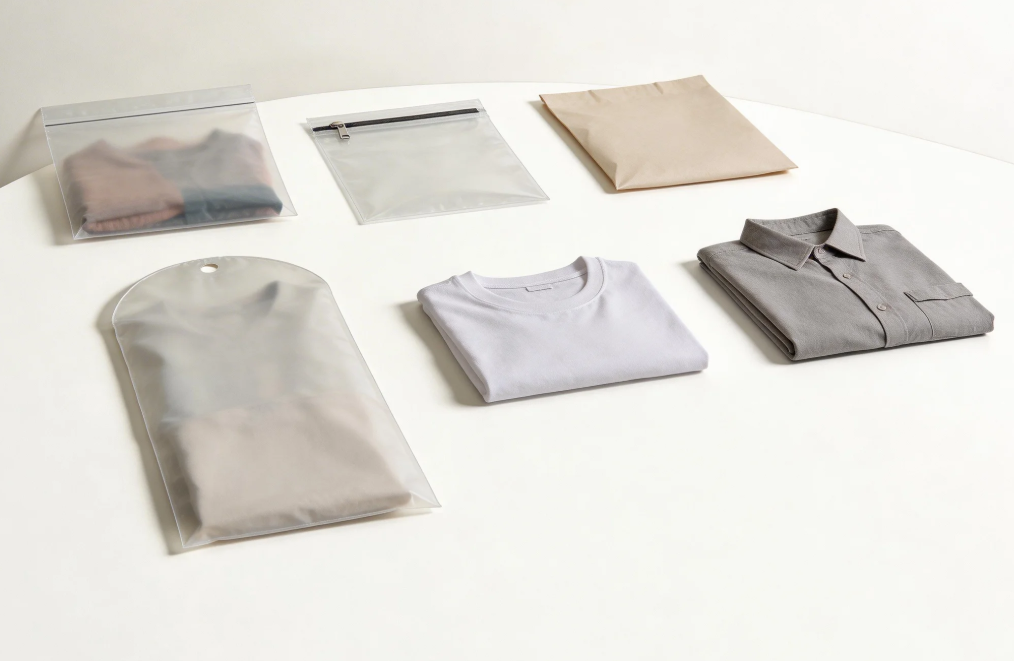
Why Apparel Packaging Matters
Clothing products are lightweight but sensitive to dust, moisture, and wrinkles. Without proper packaging, garments can easily lose their quality during storage or transportation.
High-quality apparel packaging bags offer several advantages:
Protect garments from dust, moisture, and damage
Improve brand presentation and customer experience
Support eco-friendly packaging initiatives
Reduce logistics and storage costs
Allow for custom branding and printing
For fashion brands and apparel retailers, packaging has become a key part of the product journey—from warehouse to customer doorstep.
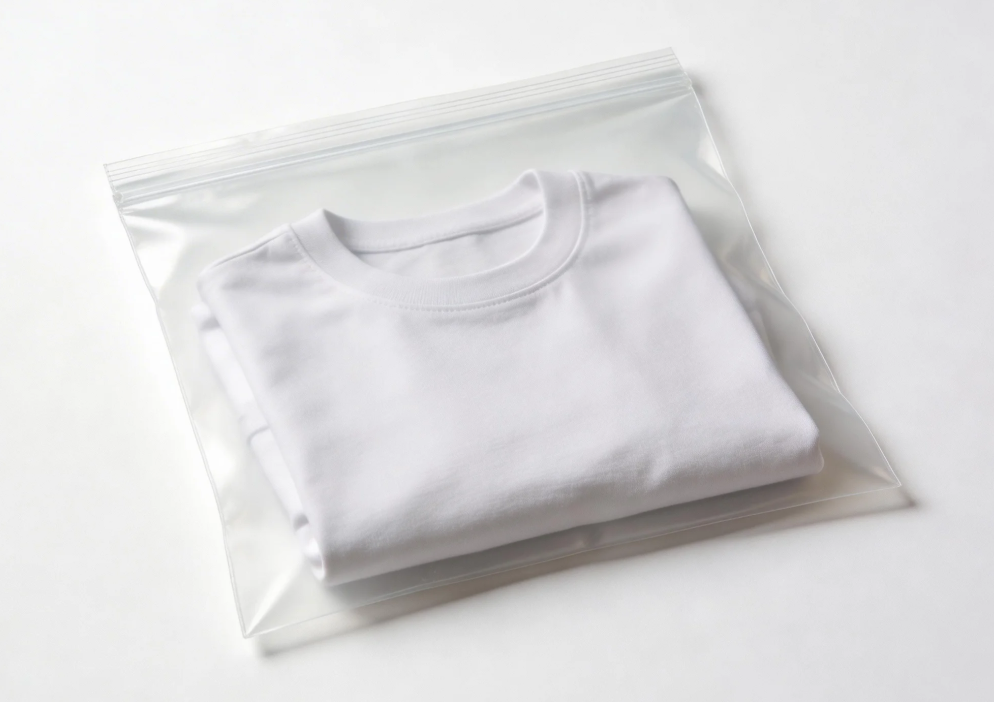
1. Ziplock Bags for Apparel Packaging
Ziplock bags are one of the most commonly used packaging solutions in the apparel industry. They are practical, reusable, and cost-effective for bulk packaging.
These bags are widely used for packaging: T-shirts, Hoodies, Underwear, Activewear, and Fashion accessories.
Key advantages
Resealable closure for easy reuse
Dustproof and moisture-resistant
Lightweight for efficient shipping
Available in frosted or transparent designs
Suitable for custom logo printing
Many brands choose frosted ziplock bags because they give the packaging a clean and modern appearance while still protecting the garment.
2. Slider Bags for Premium Clothing Packaging
Slider bags (also known as sliding zipper bags) offer a more premium packaging experience compared with standard ziplock bags.
The smooth sliding closure makes them convenient for repeated opening and closing, which is particularly appealing for retail brands.
Key advantages
Easy-to-use sliding zipper closure
More premium look and feel
Strong sealing performance
Reusable packaging solution
Many fashion brands use slider bags as part of their branded packaging strategy to enhance the unboxing experience.
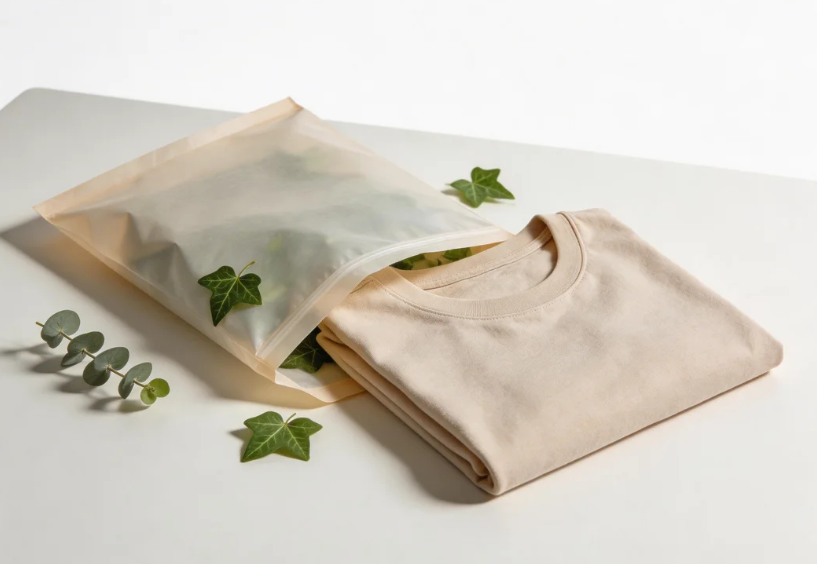
3. Biodegradable Bags for Sustainable Fashion Brands
Sustainability has become one of the biggest trends in the fashion industry. Many brands are actively replacing traditional plastic packaging with biodegradable alternatives.
Biodegradable apparel packaging bags are typically made from plant-based materials such as PLA or compostable polymers.
Benefits of biodegradable packaging
Environmentally friendly materials
Reduced plastic pollution
Compliance with sustainability policies
Positive brand image for eco-conscious consumers
These bags are especially popular among sustainable fashion brands and eco-friendly clothing retailers.
4. Garment Dust Cover Bags for Clothing Protection
For larger garments such as coats, suits, and dresses, garment dust cover bags are an essential packaging solution.
These protective bags are commonly used by: Fashion retailers, Clothing manufacturers, Dry cleaners, Garment factories.
Key advantages
Protect garments from dust and dirt
Ideal for hanging clothing
Lightweight and cost-effective
Available in transparent or printed designs
Garment dust covers are particularly useful for storing or transporting formal wear and high-value clothing items.
5. Custom Apparel Packaging for Brand Identity
In today’s competitive fashion market, packaging is an important branding tool.
Custom apparel packaging bags allow brands to showcase their identity through: Logo printing, Custom colors, and Unique materials
Branded packaging design
Strong visual packaging not only improves brand recognition but also enhances the overall customer experience.
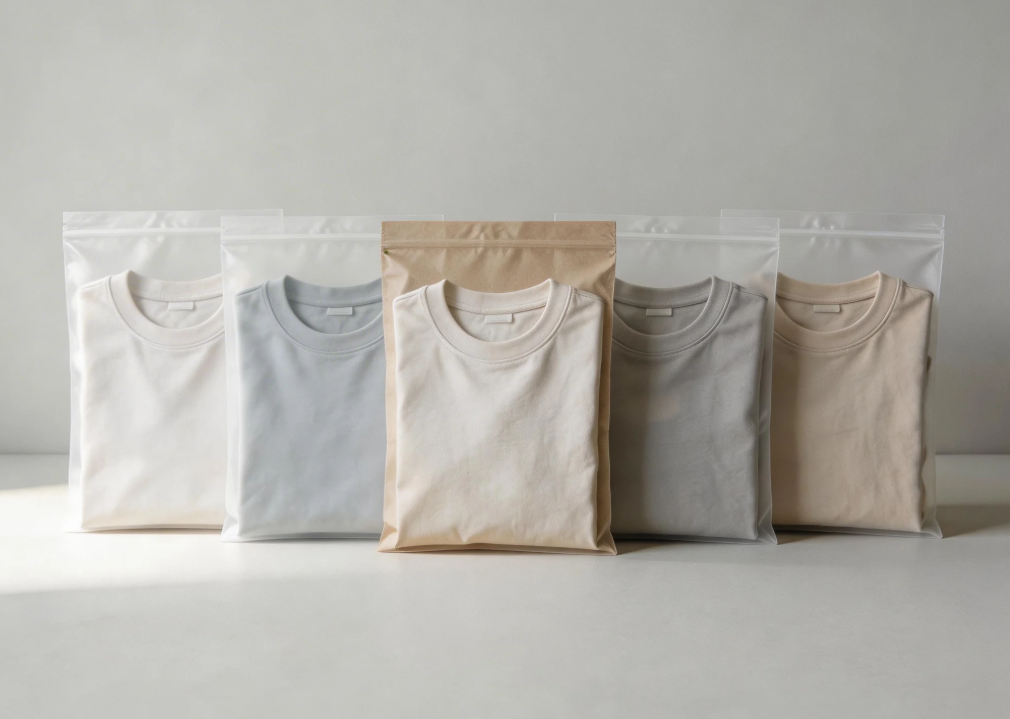
How to Choose the Right Apparel Packaging Bags
When selecting packaging bags for apparel products, businesses should consider several key factors:
Material
Choose materials that provide sufficient protection while aligning with sustainability goals.
Packaging Style
Select bag types based on product category, such as ziplock bags for folded garments or dust covers for hanging clothing.
Branding Options
Custom printing helps strengthen brand identity and improve customer perception.
Supplier Reliability
Working with an experienced packaging manufacturer ensures consistent quality and scalable production.
Final Thoughts
Choosing the right packaging bags for apparel and fashion products is essential for protecting garments, enhancing brand presentation, and meeting sustainability goals.
From practical ziplock bags to eco-friendly biodegradable packaging and garment dust covers, each solution serves a different purpose in the fashion supply chain.
For apparel brands, retailers, and manufacturers, investing in the right packaging not only protects products but also strengthens brand value in an increasingly competitive market.