

As sustainability becomes a priority for fashion brands worldwide, packaging is no longer just a protective layer — it has become part of a brand’s environmental commitment and customer experience. From online fashion stores to global apparel retailers, more companies are looking for eco-friendly packaging solutions that reduce environmental impact while maintaining product protection and presentation.
For clothing brands, choosing the right sustainable packaging involves balancing material sustainability, product protection, brand presentation, and supply reliability. In this guide, we’ll explore the most common apparel packaging options and how to select the right solution for your brand.
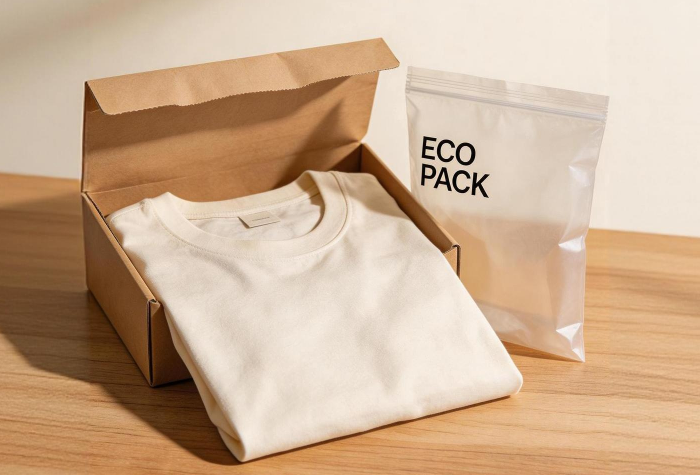
Why Sustainable Packaging Matters for Clothing Brands
The fashion industry is under increasing pressure to reduce plastic waste and improve sustainability across the supply chain. Consumers are becoming more environmentally conscious, and packaging is one of the most visible parts of a brand’s sustainability efforts.
Sustainable packaging offers several benefits for apparel brands:
Reduces environmental impact and plastic waste
Strengthens brand image and customer trust
Helps meet regulatory requirements in global markets
Aligns with eco-conscious consumer expectations
For many fashion brands, switching to eco-friendly packaging is not just a trend—it’s becoming a long-term strategy.
Common Types of Apparel Packaging
Clothing products require packaging that protects garments during storage, shipping, and retail display. The most widely used apparel packaging options include the following.
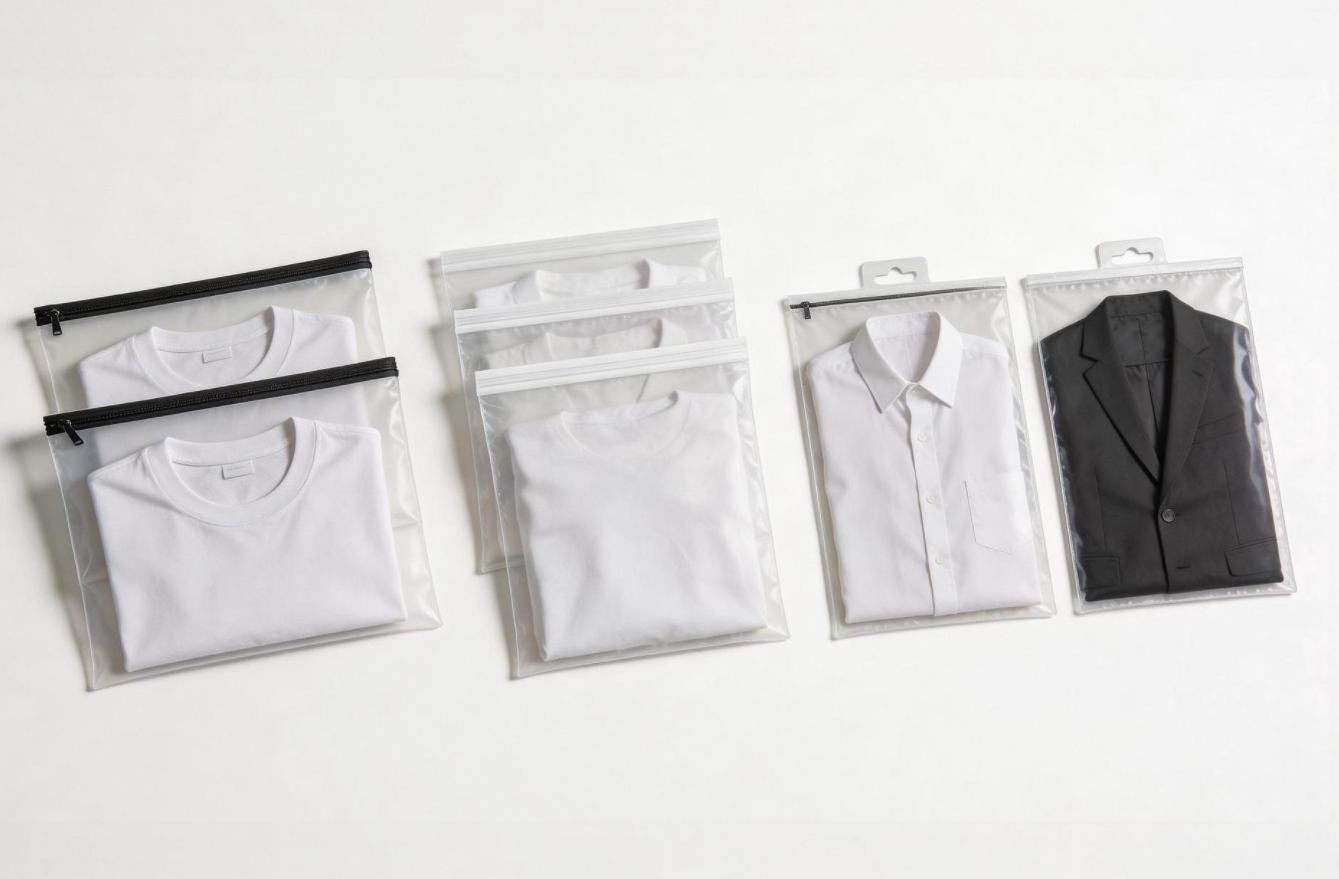
Poly Bags for Clothing
Poly bags remain one of the most common packaging solutions in the apparel industry. They are lightweight, moisture-resistant, and cost-effective for bulk packaging and shipping.
Typical uses include:
T-shirt packaging
Retail garment protection
E-commerce shipping preparation
Many brands are now choosing recycled poly bags or custom-printed poly bags to reduce environmental impact while maintaining performance.
Frosted Slider Bags
Frosted slider bags offer a more premium appearance compared with standard poly bags. The frosted texture enhances brand presentation, while the sliding zipper allows customers to easily open and reseal the package.
These bags are often used for:
Premium clothing packaging
Fashion retail products
Reusable garment packaging
Because they combine functionality and aesthetics, frosted slider bags are increasingly popular among fashion brands looking to improve packaging presentation.
Garment Dust Covers
Garment dust covers are designed to protect clothing items such as coats, dresses, and suits during transportation or long-term storage. They are commonly used by apparel brands, dry cleaners, and fashion retailers.
Its benefits include:
Protection from dust and moisture
Convenient hanging storage
Ideal for suits, coats, and formalwear
For brands selling high-value garments, dust covers provide both protection and a professional presentation.
Clear Adhesive Bags
Clear adhesive bags are widely used for folded clothing items. These bags feature a self-sealing adhesive strip, making them easy to pack and secure.
They are commonly used for:
T-shirts and lightweight garments
Retail packaging
E-commerce order preparation
Their simplicity and efficiency make them a standard packaging option in the apparel industry.
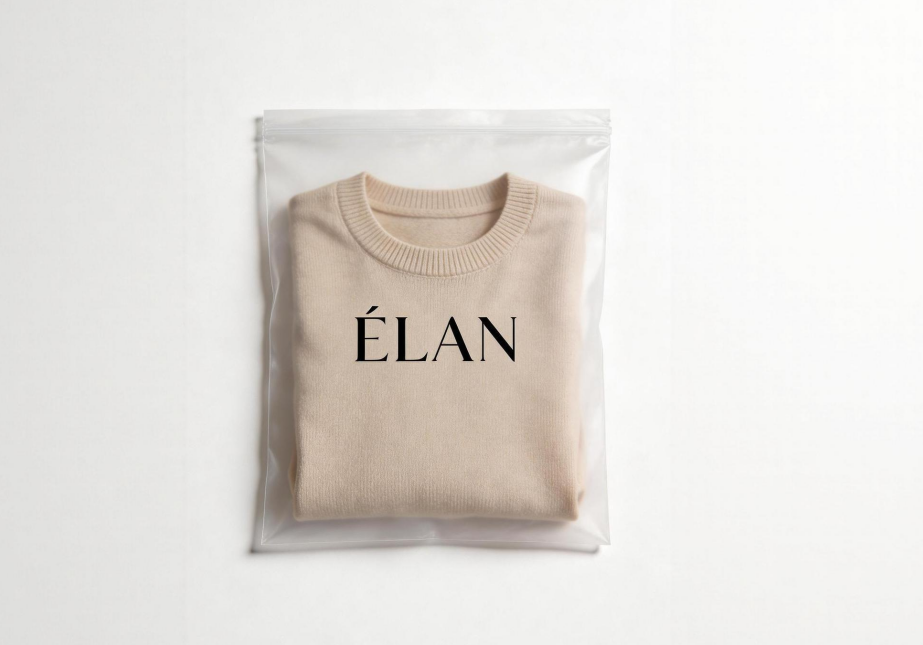
Sustainable Materials for Clothing Packaging
Choosing eco-friendly packaging materials is one of the most important steps for brands seeking to reduce environmental impact.
Recycled Plastic Packaging
Recycled plastic packaging uses post-consumer recycled materials to reduce the need for new plastic production. Many brands now prefer PCR (Post-Consumer Recycled) packaging or GRS-certified recycled bags to support sustainability goals.
Using recycled plastic packaging has more benefits:
Lower carbon footprint
Reduced plastic waste
Compliance with sustainability initiatives
Compostable Packaging
Compostable packaging is designed to break down naturally under composting conditions. Materials such as PLA or cornstarch-based films are commonly used for compostable mailers and packaging bags.
These materials are ideal for brands committed to reducing long-term plastic pollution.
FSC-Certified Paper Packaging
FSC-certified paper packaging tells that the paper materials come from responsibly managed forests. Paper-based packaging options such as glassine bags, kraft paper bags, and paper mailers are increasingly used as alternatives to plastic packaging.
For fashion brands focusing on sustainability messaging, paper packaging can significantly enhance brand perception.
Key Factors When Choosing a Packaging Supplier
Selecting the right packaging supplier is just as important as choosing the material itself. Apparel brands should consider several factors before making a decision.
Customization Capability
Brand identity is critical in the fashion industry. Look for suppliers that offer customization options such as:
Custom sizes
Logo printing
Surface finishing
Color options
Customized packaging helps strengthen brand recognition and creates a better customer experience.
Material Certifications
For eco-friendly packaging, certifications are important indicators of credibility. Common certifications include:
GRS (Global Recycled Standard)
FSC (Forest Stewardship Council)
Compostability certifications
These certifications help brands demonstrate their commitment to sustainability.
Production Capacity
Reliable supply is essential for apparel brands, especially during peak sales seasons. Working with a manufacturer that can support large-volume production and consistent quality ensures a stable packaging supply.
Packaging Expertise
An experienced packaging manufacturer can provide guidance on the most suitable materials, designs, and packaging formats for different garment types.
This expertise can help brands optimize both packaging performance and sustainability.
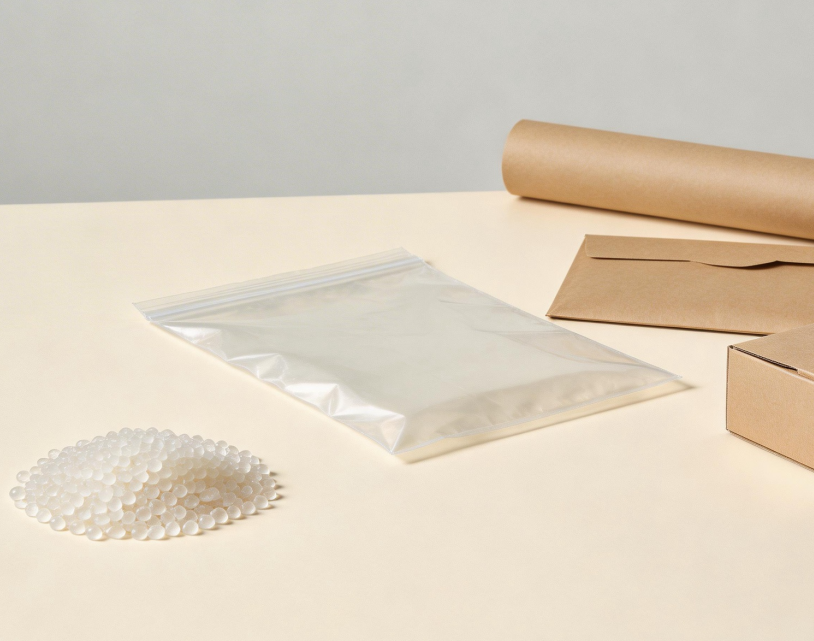
Choosing the Right Packaging for Your Brand
The best apparel packaging solution depends on several factors, including product type, brand positioning, sustainability goals, and logistics requirements.
For example:
E-commerce fashion brands often use poly mailers and protective garment bags.
Premium clothing brands may prefer frosted slider bags or customized packaging.
Eco-focused brands may prioritize recycled or compostable materials.
By combining sustainable materials with thoughtful packaging design, clothing brands can reduce environmental impact while enhancing their brand experience.