

Why Cellophane Bags Are Still Popular
Even in a world moving toward sustainable packaging, cellophane bags remain a strong choice for many brands. They’re transparent, waterproof, and versatile—qualities that plastic alternatives or paper-based solutions like glassine simply can’t fully replace in certain scenarios.
Key benefits of cellophane bags include:
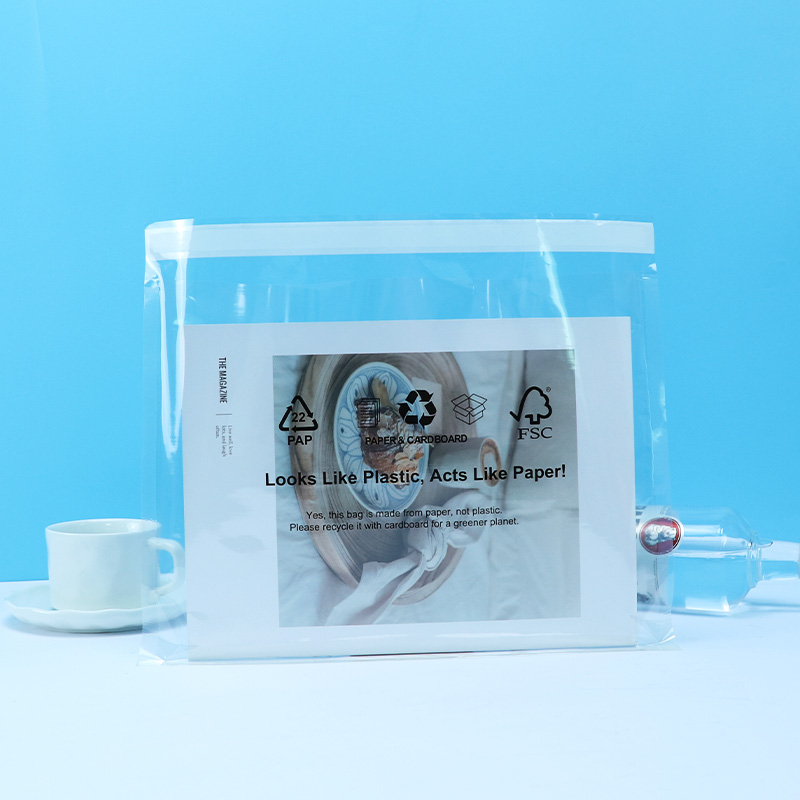
Crystal-clear visibility – perfect for showcasing products without removing them from the bag
Moisture and grease resistance – protects baked goods, snacks, cosmetics, and delicate items
Easy sealing – heat-sealable for retail or e-commerce needs
Premium, glossy look – helps products stand out on shelves or in gift packaging
Ideal Applications for Cellophane Bags
Cellophane bags work especially well in:
1. Food packaging – candy, cookies, dry goods, tea, coffee beans
2. Retail gift packaging – stationery, accessories, small gifts
3. Cosmetics and skincare – small jars, sample packs
4. Crafts and handmade products – stickers, cards, small decorative items
Because of their transparency and water resistance, cellophane bags are particularly preferred by e-commerce sellers who want to deliver an attractive, protected product to the customer.
Why Cellophane Bags Will Remain Relevant in 2026
1. Functional Advantages Are Hard to Replace
While consumers increasingly care about eco-friendliness, there are products that cannot be packaged in paper-based bags without compromising protection. Cellophane bags maintain:
Water and moisture barrier
Food-safe transparency
Ease of sealing and handling
These properties make cellophane irreplaceable in certain product categories.
2. Compatibility With Branding & Marketing
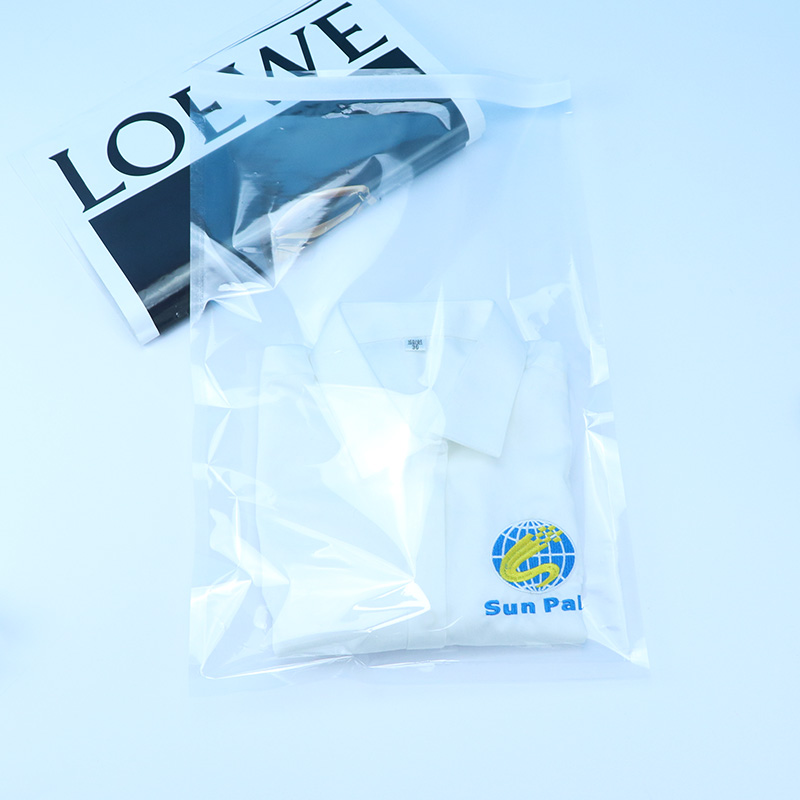
The clarity of cellophane makes it ideal for product visibility, which is important in both retail and e-commerce environments.
Brands can combine cellophane with printed labels, ribbons, or inserts for an elevated look while keeping costs reasonable.
3. Growing Awareness of Hybrid Solutions
Some companies are choosing biodegradable or compostable cellophane (from regenerated cellulose) to combine eco-friendliness with functional benefits.
This is especially common in Europe and North America where regulations favor recyclable or plant-based packaging.
Tips for Buyers Choosing Cellophane Bags
Check thickness (GSM) – thicker bags offer better tear resistance and product protection
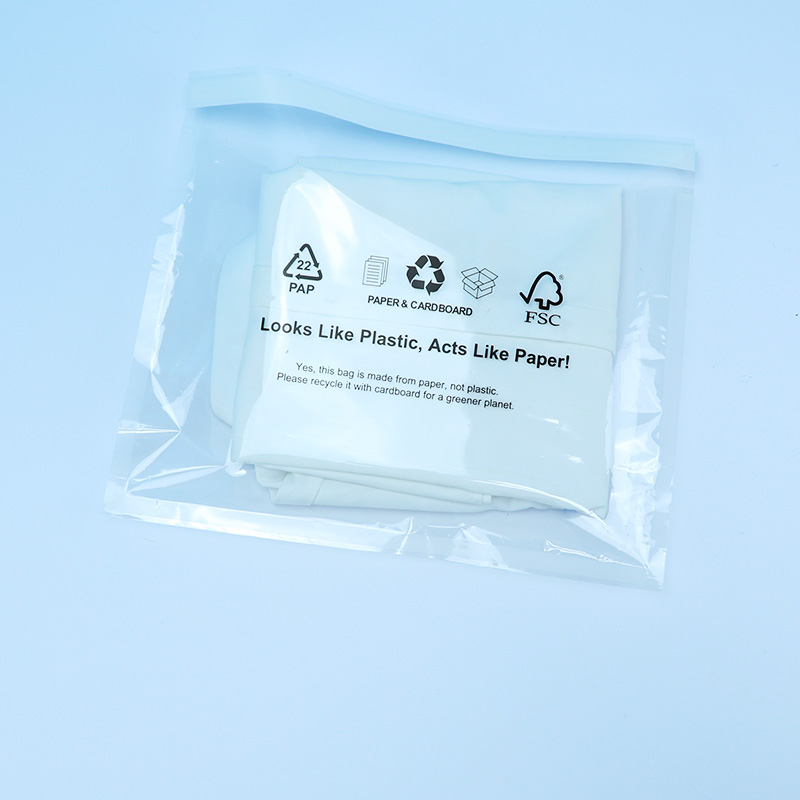
Decide sealing type – self-adhesive, heat-sealable, or twist-tie compatible
Choose the right width & length – ensure the bag fits your product without excess material
Consider sustainability options – biodegradable cellulose-based cellophane is gaining attention
Conclusion
Even as 2026 brings stronger sustainability demands and more paper-based alternatives, cellophane bags remain a top choice because they combine:
Transparency for product visibility
Waterproof and protective qualities
Easy customization for branding
Compatibility with a wide range of products
For brands needing practical, visually appealing, and reliable packaging, cellophane bags are still a practical solution—and with biodegradable variants available, they can now align with both functionality and eco-conscious goals.