

Glassine Bags Are Gaining Momentum in 2026: Trends Brands Should Watch
Throughout the second half of 2025, the packaging industry has been showing a clear shift: glassine bags are moving into their own lane, gaining attention from brands that want a paper-based, minimalist, and low-impact packaging option.
Not positioning glassine as “the better choice,” but as a rising category worth monitoring in 2026.
1. Market Signals: Steady Growth and Supplier Adoption
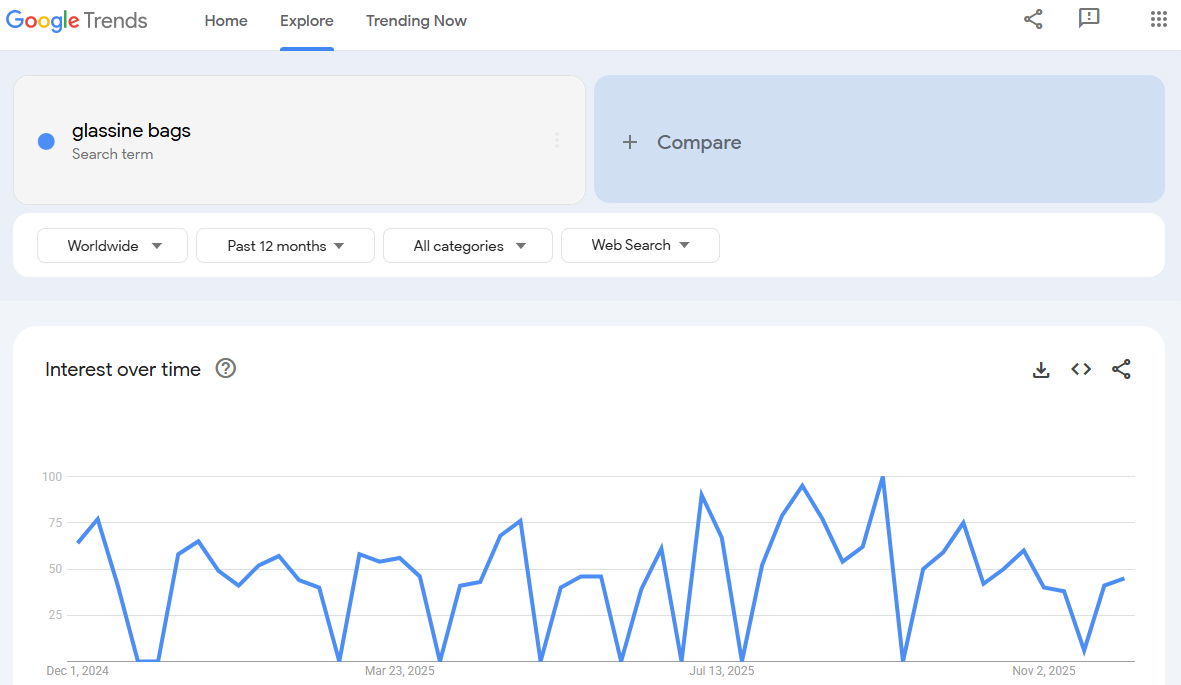
Global search interest for “glassine bags” has been climbing steadily since 2024, particularly in North America and Europe. While the search volume is still much smaller than “cellophane bags,” the upward trend suggests wider adoption across industries such as:
Jewelry and handmade crafts
Bakery and snack packaging
Stationery and small inserts
Eco-focused retail brands
This widening demand indicates that glassine is becoming a stable category—not niche anymore, but not mainstream plastic alternatives either.
2. Why More Brands Are Adding Glassine to Their Packaging Mix
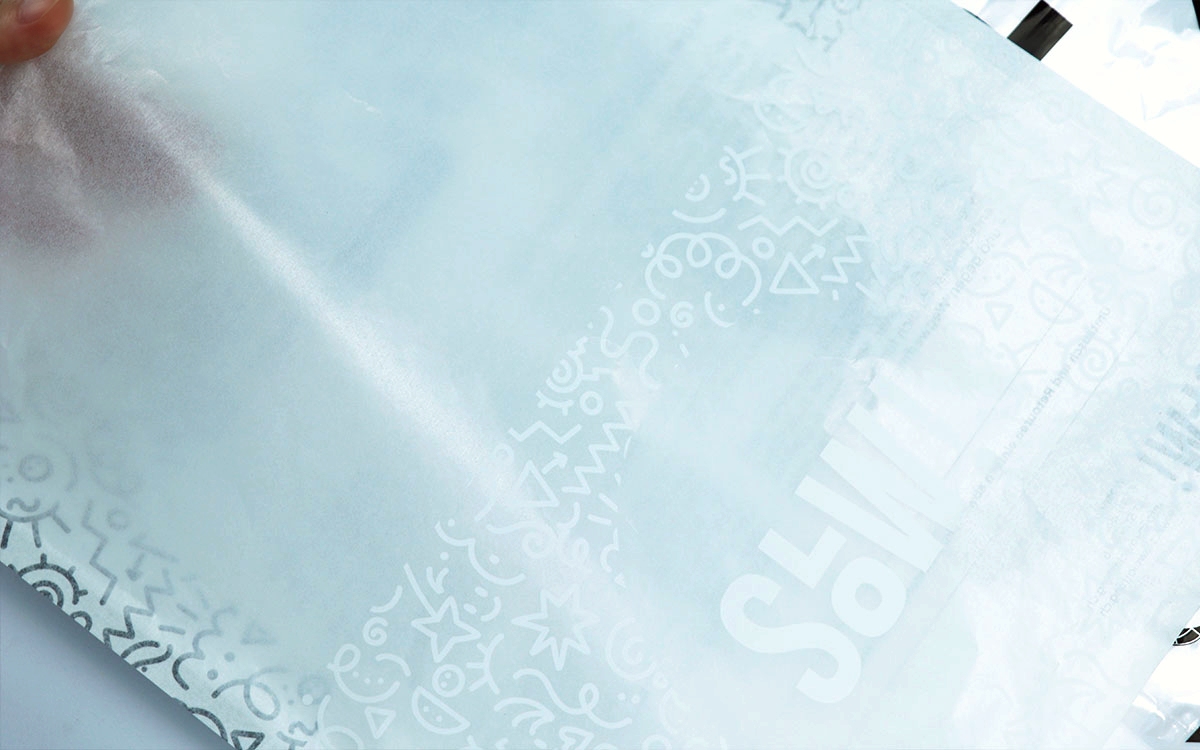
Glassine was never meant to replace all transparent packaging. Instead, brands are choosing it because it offers a combination of qualities that are hard to find in a single material:
Fully recyclable and biodegradable
Smooth, non-reflective finish
A translucent look without being “plastic-like”
Naturally acid-free, making it suitable for stamps, artwork, and small paper goods
In many cases, brands are not switching from cellophane—they're simply adding glassine as a second material option to create a different experience.
3. The Sustainability Push Is Getting Stronger in 2026
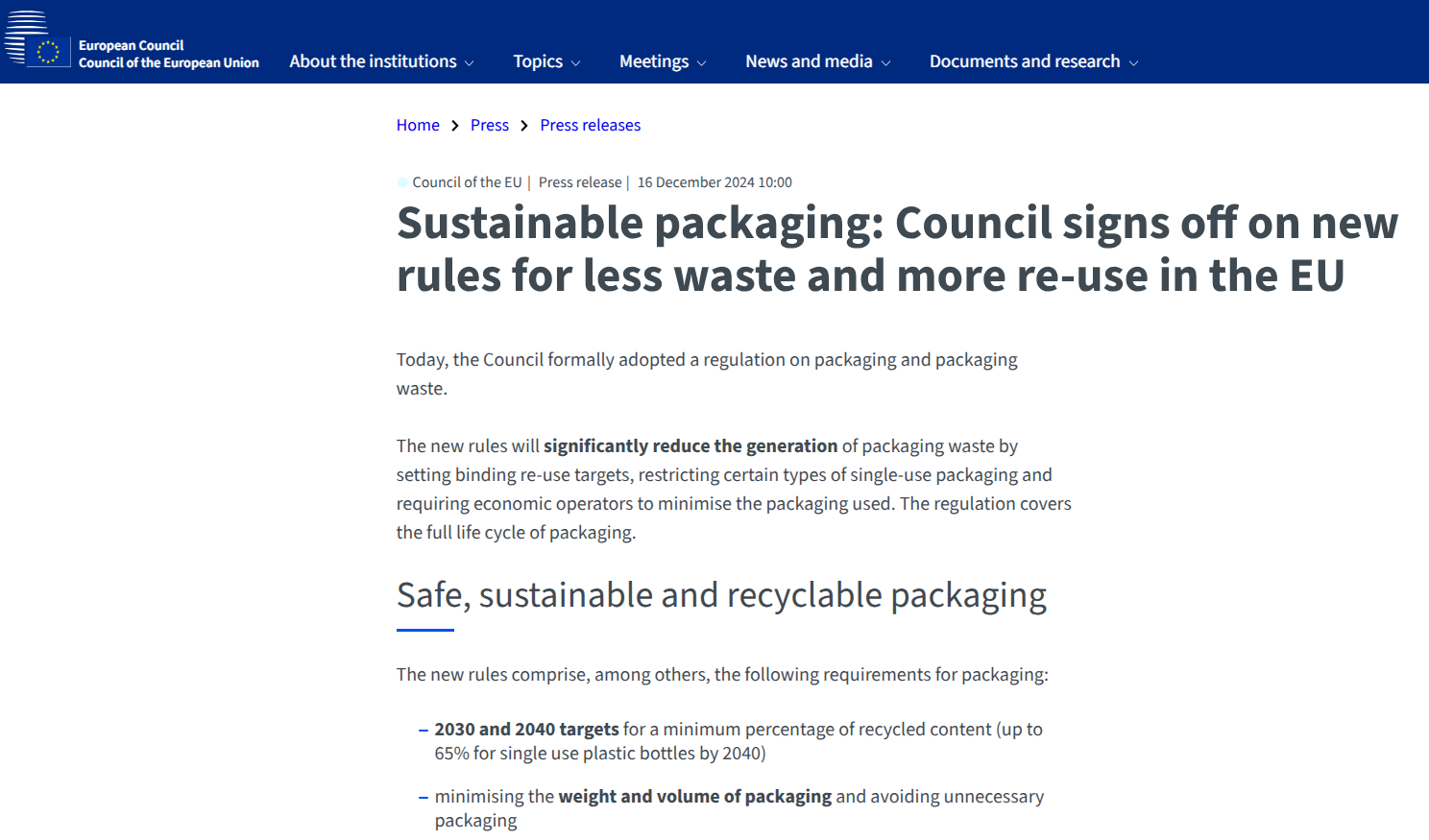
With more regions tightening single-use plastic regulations and retail channels requesting recyclable packaging, glassine is becoming a convenient way for brands to meet compliance without redesigning their entire product line.
Upcoming regulations in key markets—especially the EU and several U.S. states—are pushing brands to evaluate every packaging layer.
Glassine fits neatly into this shift: low-impact, paper-based, and accepted in most recycling streams.
4. The Rise of the “Premium Minimalist” Look
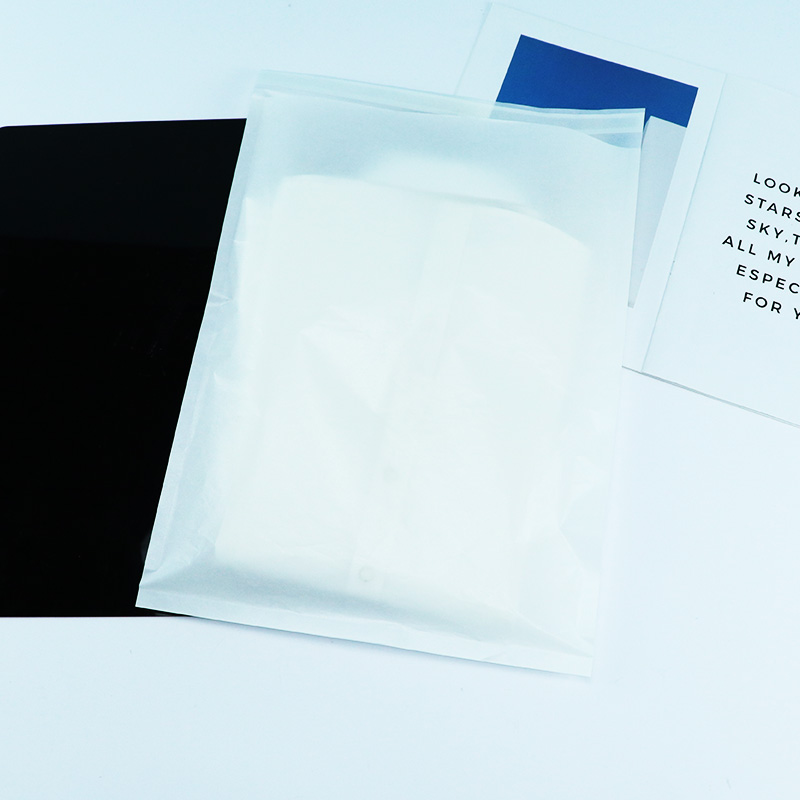
One of the biggest style shifts in 2025 is the move toward clean, understated packaging. Glassine fits this aesthetic perfectly:
Soft, matte, and semi-translucent
Gives products a “reveal” moment without the glossy shine
Pairs well with kraft paper, wood textures, and minimalist labels
Looks premium without raising material costs
This design trend is expected to continue through 2026–2027, especially among handmade, lifestyle, and boutique brands.
5. Clear Use Cases: When Glassine Works Best (and When Cellophane Still Wins)
Best Uses for Glassine Bags:
Jewelry, charms, and craft pieces
Stamps, wax seals, postcards
Seeds, dried flowers, and botanicals
Bakery items that are not oily
Small stationery items
Clothing accessories (buttons, trims)
Where Cellophane Remains More Suitable
High transparency requirements
Strong moisture barrier needed
Food packaging with oil or aroma transfer
Larger retail packaging formats
They are not competing materials. They each serve different packaging goals.
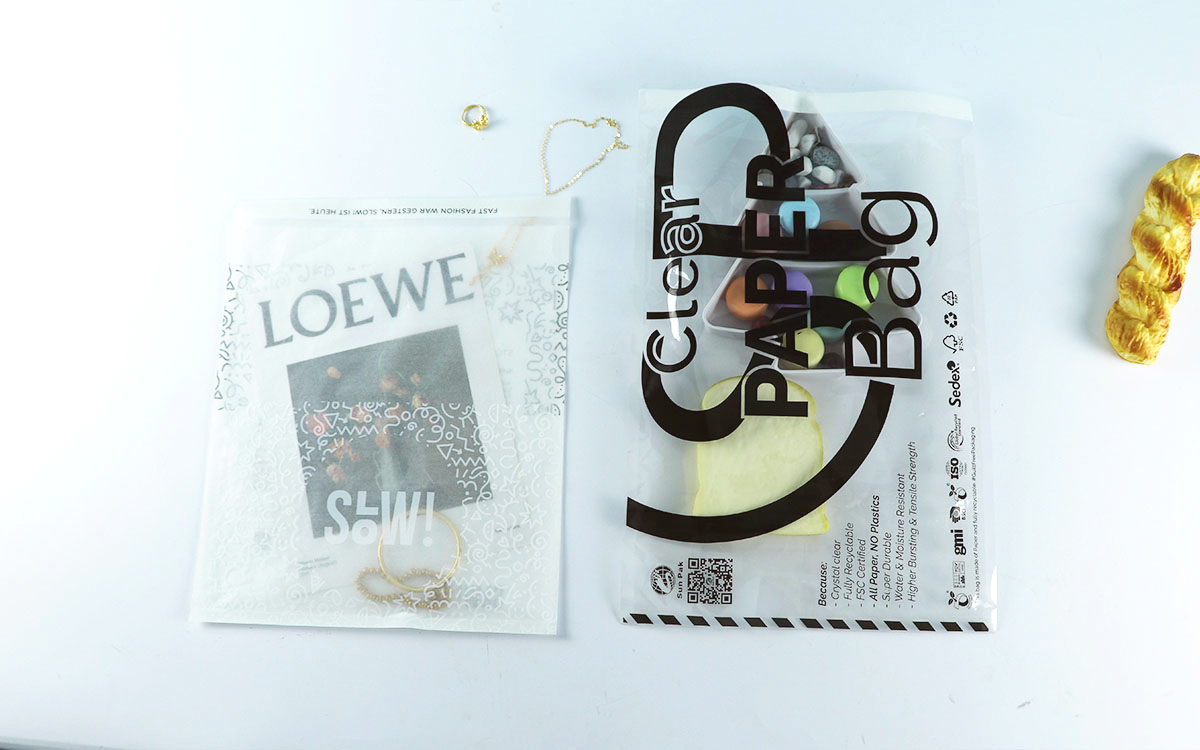
6. What Buyers Should Consider Before Switching to Glassine in 2026
A quick checklist for B2B decision-makers:
Do you need full transparency?
Will the product be exposed to moisture or oil?
Is the brand aiming for a more natural or eco-friendly look?
Are you preparing for new regulations?
Will you need printing or custom branding?
Is the uncoated, matte texture suitable for your product category?
If several points align, glassine becomes a practical addition—not a replacement—to your packaging lineup.
Conclusion
The rise of glassine bags in 2026 is driven by long-term shifts:
sustainability expectations, aesthetic trends, and the need for paper-based alternatives.
They’re not replacing cellophane or competing head-to-head.
They’re simply becoming an essential option for brands wanting a cleaner, softer, and more eco-conscious present