
For years, many brands treated recycled packaging as part of their sustainability marketing.
That approach is changing quickly.
With the EU Packaging and Packaging Waste Regulation (PPWR) moving into implementation, packaging is no longer only a branding decision—it is becoming part of supply chain compliance.
Across apparel, retail, and e-commerce industries, European buyers are now paying much closer attention to the following:
verified PCR contentrecyclability structurematerial transparencytransaction certificatesink and chemical safety
In many cases, these requirements are already appearing during supplier onboarding, packaging audits, and RFQ evaluations.
For packaging manufacturers, this is not simply a trend toward “greener packaging.” It is a shift toward documentation-ready and regulation-aligned production.
At Sun Pak, we have seen a clear change in how international buyers evaluate packaging suppliers over the past 18 months. Questions that used to focus mainly on price and printing are now shifting toward:
“Can this packaging meet future EU requirements?”
This article shares some of the most important sourcing realities brands should understand when choosing GRS recycled bags for the European market in 2026 and beyond.
1. PCR Content Is Becoming a Procurement Requirement, Not Just a Sustainability Claim
A few years ago, many brands only requested low percentages of recycled content for marketing purposes. In some projects, 10%–20% PCR was enough to support an “eco-friendly packaging” claim.
That situation is changing rapidly in Europe.
Today, many retail brands and importers are beginning to request clearer documentation around post-consumer recycled (PCR) content, especially for plastic packaging entering the EU market.
Procurement teams are no longer only asking:
“Is this bag recyclable?”
They are increasingly asking:
What percentage is post-consumer waste?
Can the PCR percentage remain consistent across bulk production?
Can the supplier provide valid GRS Transaction Certificates (TC)?
Is the recycled content traceable to the actual shipment?
For overseas packaging suppliers, this creates a new challenge. Offering recycled material alone is no longer enough. Buyers also expect production stability, traceability, and supporting documentation.
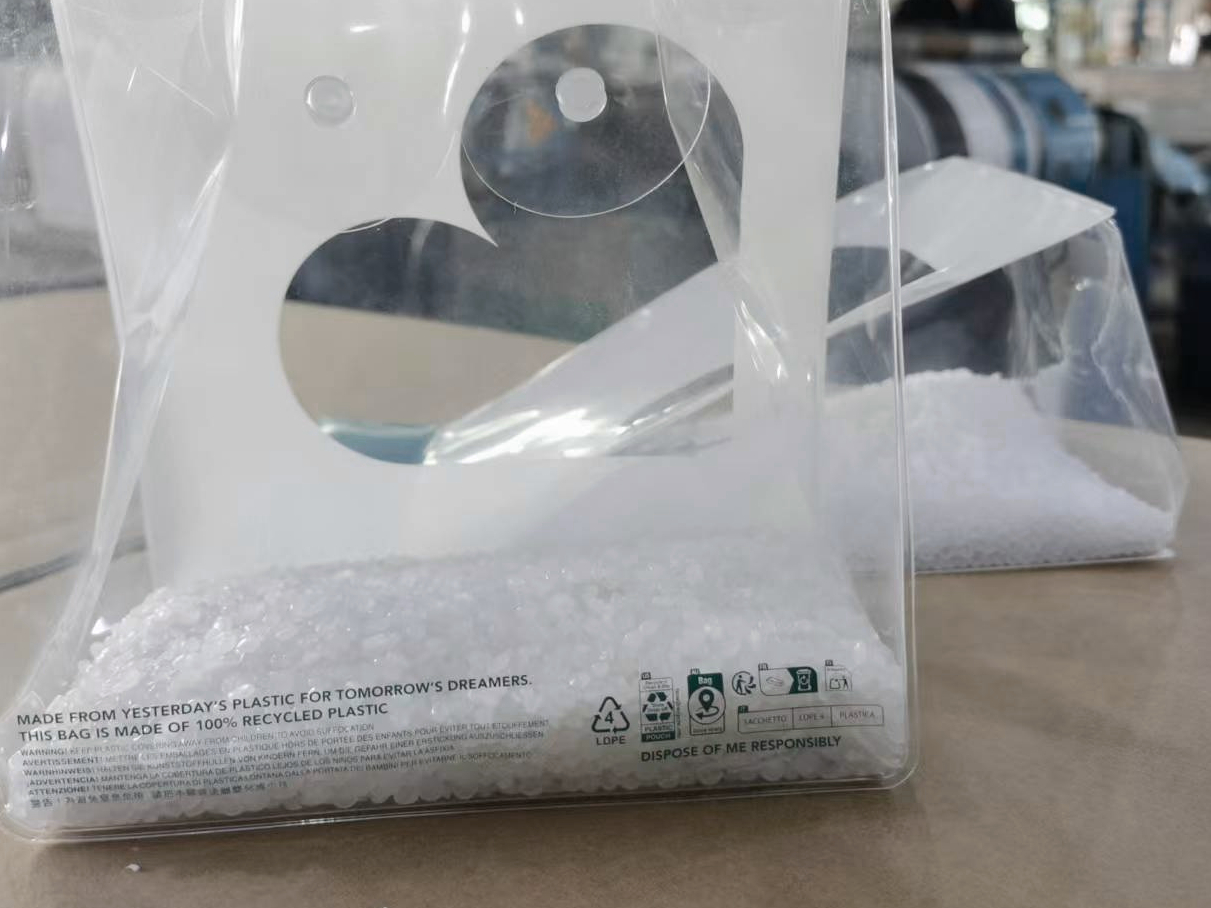
At Sun Pak, we support flexible PCR customization from 20% to 100% depending on brand requirements, product applications, and regional compliance targets.
2. Mono-Material Packaging Is Replacing Mixed Plastic Structures
One major shift under PPWR is the growing focus on packaging recyclability at scale.
In practice, this means many traditional mixed-material packaging structures are becoming harder to justify for long-term EU retail programs.
For example, some frosted poly bags or laminated packaging designs combine multiple polymer types to achieve specific visual effects or stiffness. While these structures may technically be recyclable in controlled environments, they often create challenges within existing municipal recycling systems.
As a result, more European brands are beginning to prioritize mono-material packaging solutions such as:
Mono-PE bagsMono-PP packagingrecyclable EVA structures
This trend is becoming increasingly visible in apparel packaging RFQs, especially among larger retail groups with internal sustainability targets.
From a manufacturing perspective, mono-material packaging is not simply about changing raw materials. Maintaining seal strength, transparency, softness, and print quality while keeping the structure recyclable requires material formulation experience and stable production control.
This is one reason why many buyers are now reassessing long-term packaging suppliers before future PPWR enforcement phases accelerate.
3. Printing Inks Are Becoming Part of Compliance Discussions
Another area receiving more attention under EU packaging regulations is chemical safety within packaging materials.
In many packaging projects, buyers now review not only the plastic substrate itself but also printing methods, coatings, adhesives, and additives that may affect recyclability or material recovery quality.
Traditional solvent-based printing systems can introduce VOC-related concerns and may reduce the quality of recycled plastic streams during processing.
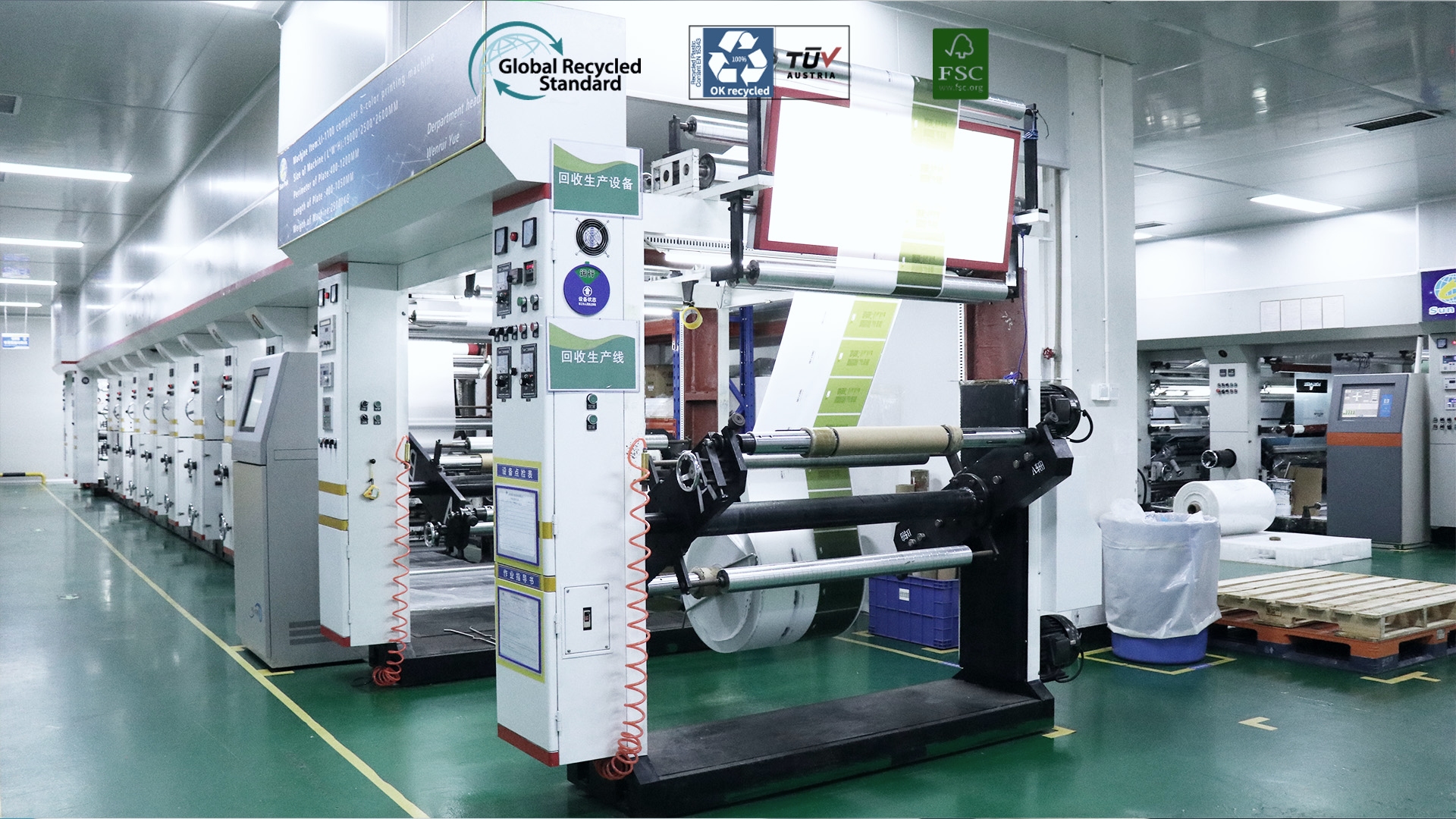
For this reason, more brands are shifting toward water-based printing systems for retail and e-commerce packaging applications.
At Sun Pak, water-based ink printing is already widely used across multiple recyclable packaging lines, including matte poly mailers and recycled apparel bags.
Beyond reducing VOC emissions, water-based printing also helps maintain cleaner recycling compatibility without relying on additional chemical surface treatments.
4. What EU Buyers Are Now Checking Before Approving Packaging Suppliers
Based on recent sourcing discussions with international buyers, supplier qualification standards are becoming noticeably stricter for recycled plastic packaging.
Before moving forward with large-volume projects, many procurement teams now review several areas more carefully:
Certification Authenticity
Can the supplier provide valid GRS or FSC certifications directly linked to the manufacturing entity?
Some buyers are also beginning to verify certification scope, expiration dates, and audit bodies during onboarding.
Transaction Certificate Support
For many recycled packaging programs, having a factory certificate alone is no longer sufficient.
Buyers increasingly require shipment-level Transaction Certificates (TCs) tied to actual production batches and export orders.
Material Consistency
Can the factory maintain stable PCR percentages, color consistency, sealing performance, and print quality during large-scale production?
This becomes especially important for apparel brands with strict packaging specifications across multiple SKUs.
Production Experience
As packaging regulations evolve, manufacturing experience matters more than ever.
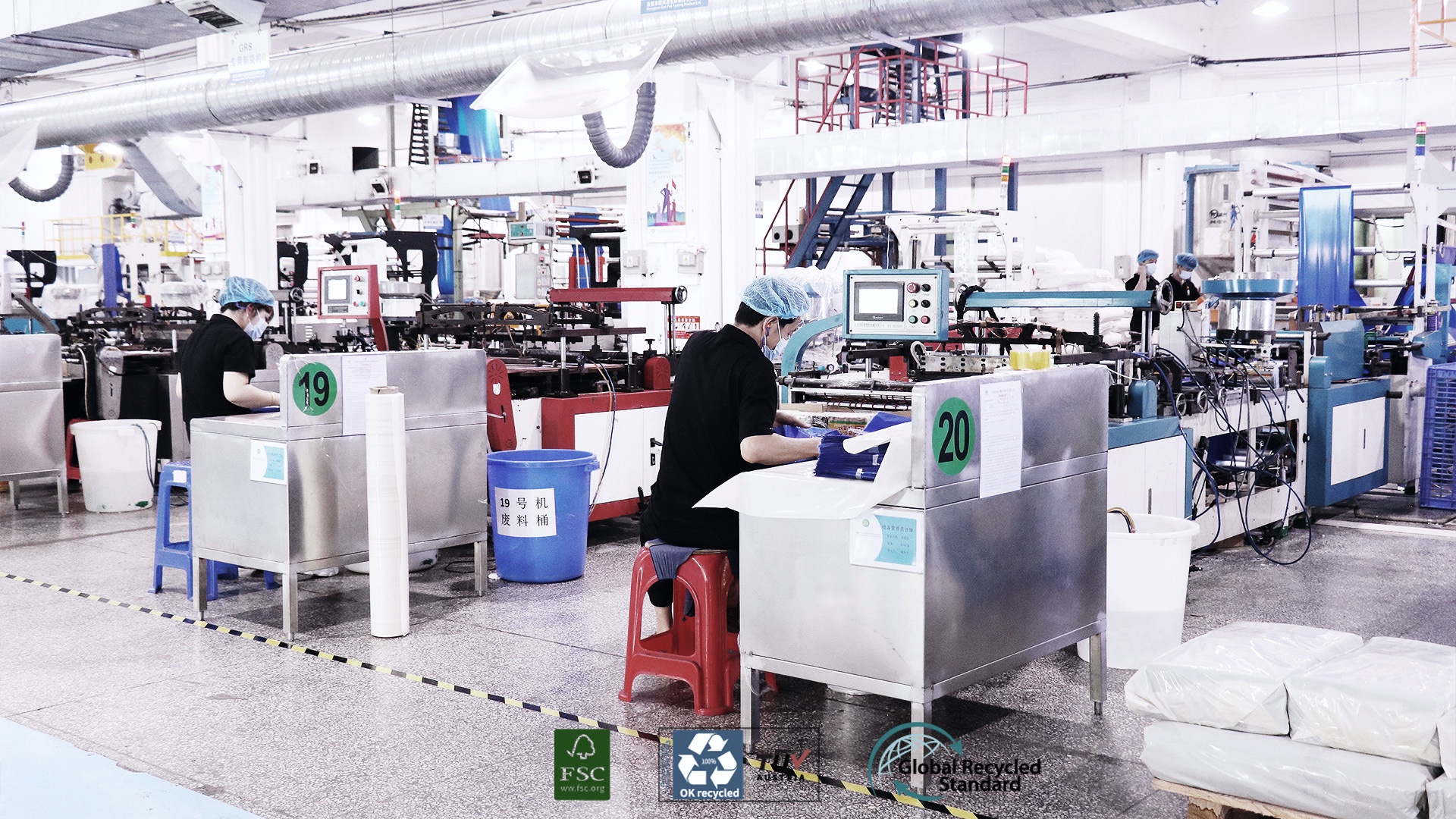
Factories with long-term experience in recyclable structures, material blending, and export packaging standards are generally better prepared to adapt to changing compliance requirements without compromising functionality.
Final Thoughts
As PPWR implementation moves closer, recyclable packaging is becoming a much more technical sourcing decision than it was a few years ago.
For brands selling into Europe, factors such as PCR traceability, mono-material structures, and production transparency are likely to become increasingly important during supplier evaluation.
The shift is no longer only about sustainability messaging. It is about building packaging systems that can adapt to future compliance requirements without disrupting supply chains.