

Why PLA Compostable Bags Are Becoming a Leading Choice for Sustainable Packaging in 2025
Why PLA Compostable Bags Are Becoming a Leading Choice for Sustainable Packaging in 2025
Sustainable packaging is no longer a trend — it’s the new baseline.
With stricter regulations and growing consumer expectations, companies are actively shifting toward materials that reduce environmental impact. One material that keeps rising in these conversations is PLA (Polylactic Acid) compostable packaging.
Multiple global reports show that PLA is becoming one of the most evaluated and adopted eco-friendly packaging options in 2024–2025.
1. Market Data Shows PLA Demand Is Truly Increasing
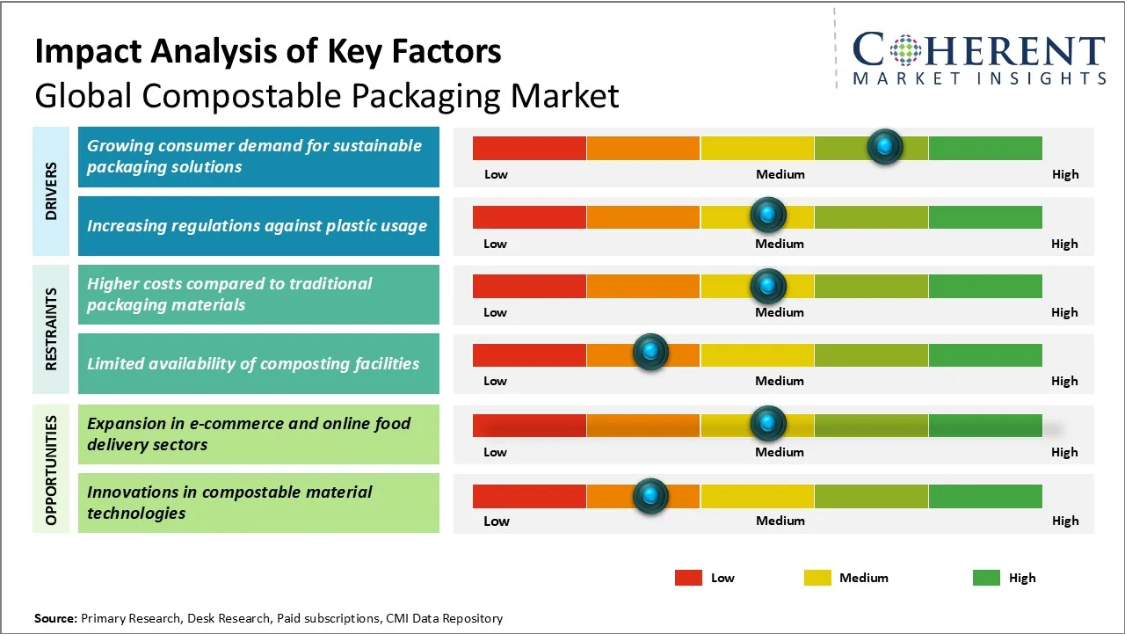
✓ Compostable packaging is projected to reach nearly USD 77 billion by 2025
1) Global regulations eliminate traditional single-use plastics
Source: Fairfield Market Research
✓ PLA holds a dominant share among compostable materials
Grand View Research: In compostable packaging by material, PLA held over 70% market share in 2023
Coherent Market Insights: PLA is expected to represent 31.6% of the compostable packaging market in 2025
✓ Compostable packaging CAGR sits around 6.5%
Source: Fortune Business Insights
2. Why Companies Are Switching to PLA Compostable Bags
Countries across Europe, Canada, Australia, and parts of Asia are tightening policies on PE/PP/PET bags.
PLA fits better with these regulations because of its industrial compostability.
Example: EU Single-Use Plastics Directive (SUP)
2) Consumers expect truly eco-friendly packaging
Younger buyers (Gen Z + Millennials) openly prefer brands using sustainable packaging.
Well-performing brands are simply adapting — and PLA offers a clean, modern, transparent look.
3) PLA looks visually premium
Compared with kraft or opaque bio-plastics, PLA bags offer:
high transparency
smooth texture
retail-friendly appearance
a familiar feel similar to traditional plastic
3. Key Advantages of PLA Compostable Bags
✓ Industrial compostability (certification available)
Suitable for markets expecting EN 13432 or equivalent.
✓ Plant-based materials
Made from renewable crops like corn or sugarcane.
✓ Clean transparent look
✘ Not heat-resistant
✘ Not home-compostable
✘ Slightly higher cost
4. Limitations You Should Know Before Buying
PLA softens easily under high temperatures.
Needs industrial composting facilities.
✘ Needs clear disposal instructions
5. Which Brands Benefit the Most from PLA Bags?
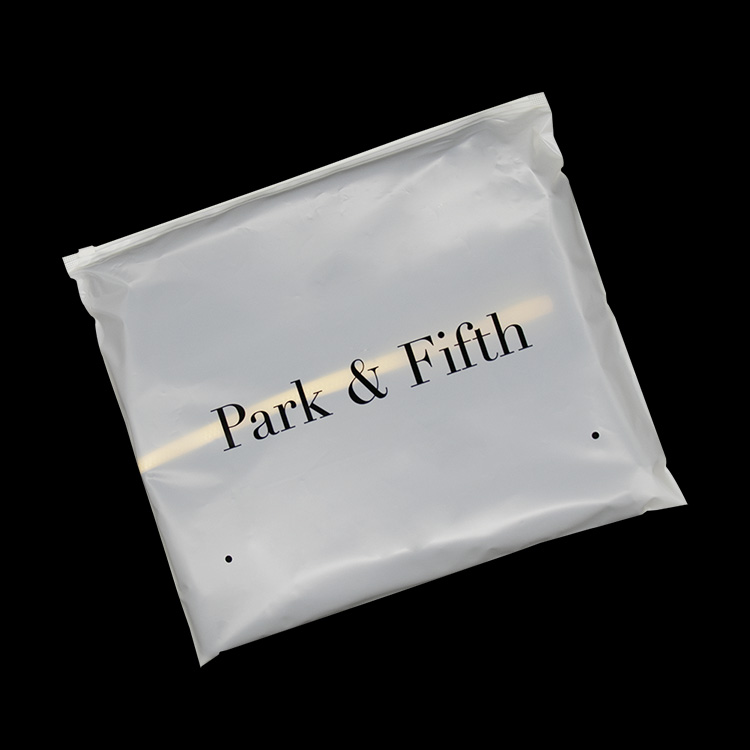
PLA compostable bags work well for:
beauty & skincare
small fashion accessories
stationery
eco-friendly boutique brands
retail gift stores
light electronics
artisan/handmade items
Based on current market data, industry reports, and real product adoption across global brands:
PLA compostable bags are becoming one of the leading sustainable packaging materials in 2025.
Not because of hype — but because:
Regulations favor certified compostable materials
Consumers prefer eco-friendly packaging
PLA offers a premium appearance
The compostable packaging market is growing steadily
PLA holds a major share of compostable materials
For brands planning sustainable packaging upgrades in 2025, PLA is a strong and realistic option.