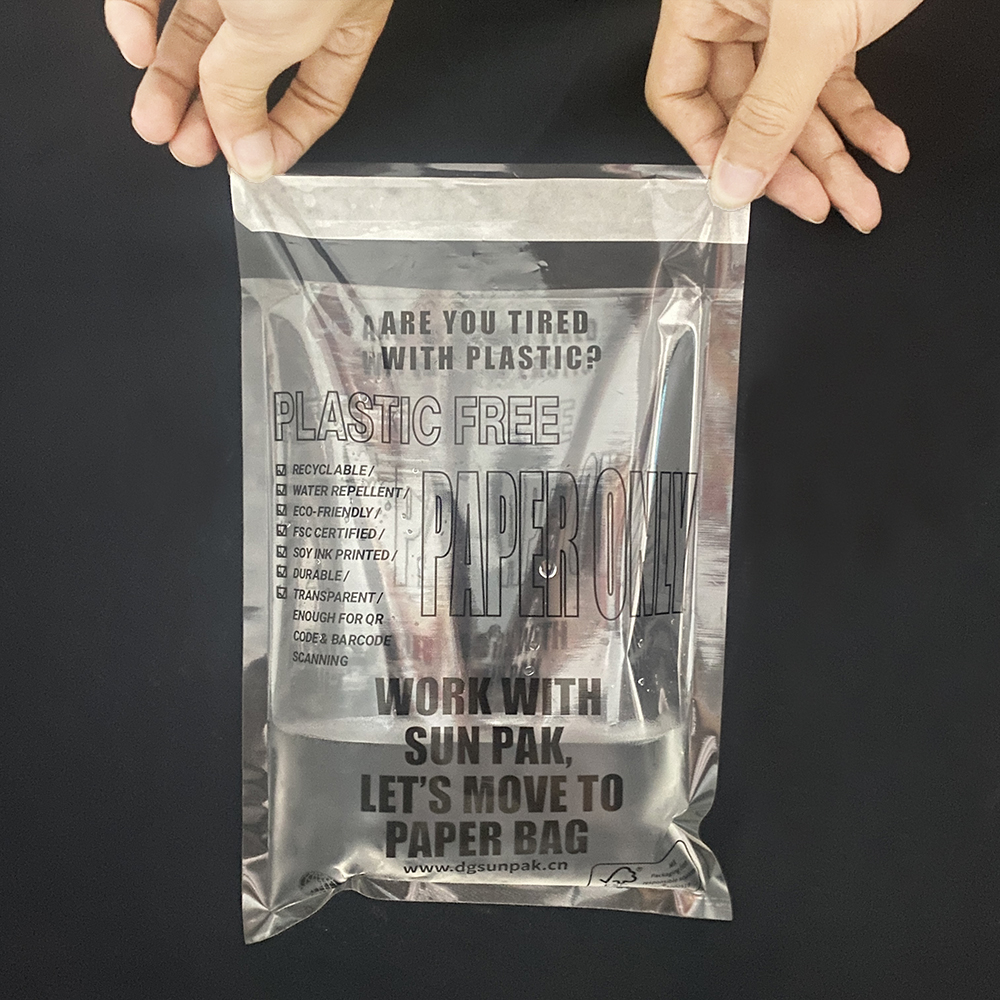
This is a question we get from buyers almost every week.
Cellophane bags are often described as “eco-friendly” or “plastic-free”, especially because they look very similar to clear plastic packaging. But does that actually mean cellophane bags are biodegradable?
The honest answer is: yes, real cellophane bags are biodegradable — but not every bag sold as “cellophane” truly is.
Understanding the difference matters, especially if you’re sourcing packaging for brands that care about sustainability claims.
What Cellophane Really Is (and What It Is Not)
True cellophane is made from regenerated cellulose, which comes from natural plant sources such as wood pulp.
That means:
It is plant-based.
It is not petroleum plastic.
It behaves very differently from PE, PP, or OPP films.
Because cellophane is derived from cellulose, it can be broken down by microorganisms over time.
This is where its biodegradable nature comes from.
So, Are Cellophane Bags Biodegradable?
Yes — genuine cellulose-based cellophane bags are biodegradable.
Under natural conditions, cellophane can decompose without leaving permanent plastic residue. This makes it a popular choice for brands trying to reduce conventional plastic packaging.
However, biodegradability is not automatic. It depends on:
① The base material
② Whether the film is coated
③ How the bag is disposed of
Uncoated or lightly coated cellophane will break down much more easily than plastic films.
Why Some “Cellophane Bags” Are Not Biodegradable
This is where buyers often get confused.
In the packaging market, many transparent bags are casually called “cellophane”, even when they are actually made from:
OPP
BOPP
CPP
These materials are plastic, not cellulose. They may look clear and feel similar, but they are not biodegradable.
If sustainability is important to your brand, this distinction is critical.
A reliable supplier should always be able to explain:
① The raw material
② Whether the film is cellulose-based
③ And what environmental standards it meets
Biodegradable vs Compostable: What Buyers Should Know
Another common misunderstanding is between “biodegradable” and “compostable”.
Biodegradable means the material can break down naturally over time.
Compostable means it breaks down within a defined timeframe under composting conditions and leaves no harmful residue.
Some cellophane bags are compostable, but only if they meet standards such as:
EN 13432 (EU)
ASTM D6400 (US)
If compostability is required for your market, certification is not optional — it’s essential.
When Do Cellophane Bags Make Sense?
From our experience working with custom packaging orders, biodegradable cellophane bags are commonly used for:
Bakery and confectionery products
Cosmetics and personal care items
Clothing and accessories
Stationery and lifestyle goods
They are often chosen when brands want:
Clear product visibility
a plastic-free image
packaging aligned with sustainability messaging
That said, cellophane is not suitable for every application. It has different moisture resistance and sealing characteristics compared to plastic, which should be considered during material selection.
How to Source Biodegradable Cellophane Bags Correctly
If you are sourcing cellophane packaging, a few practical checks can help avoid mistakes:
① Ask whether the material is cellulose-based
② Confirm if coatings are used and why
③ Request biodegradability or compostability documentation if needed
④ Make sure the packaging matches your local regulations
Clear communication at this stage prevents compliance issues later.
So, are cellophane bags biodegradable?
Yes — as long as they are made from genuine cellulose-based cellophane.
But not every clear bag sold under that name meets that standard.
For brands and importers focused on sustainable packaging, understanding the material behind the label is just as important as the label itself.
Choosing the right packaging starts with asking the right questions.